Facebook
 X
X
 Pinterest
 Copy Link
How to Make Your Outdoor Space Feel Like Another Room
How to Make Your Outdoor Space Feel Like Another Room
By Kathy Ley, REALTOR® with Coldwell Banker NHS Real Estate in Lincoln, Nebraska
When June arrives in Lincoln, the house starts to stretch a little.
The patio chairs come back out. The grill gets used more often. Evenings linger longer than they did in March, and suddenly the porch, deck, or backyard becomes more than a view through the window. It becomes part of how we live.
That is why outdoor spaces matter so much. Not because they need to be elaborate or expensive, but because a well-planned outdoor area can make a home feel larger, calmer, and more useful.
I’m Kathy Ley, REALTOR® with Coldwell Banker NHS Real Estate in Lincoln, Nebraska, and one thing I often notice is that homeowners sometimes underestimate how much outdoor living affects the way a home feels. Whether you are planning to stay for years, preparing to sell someday, or simply wondering what updates are worth your time, your outdoor space can quietly shape both everyday enjoyment and buyer perception.
Start by Thinking in “Rooms,” Not Furniture
The easiest way to improve a patio, deck, porch, or backyard is to stop thinking of it as one open area and start thinking of it as a few smaller rooms.
Inside your home, you would not usually place a dining table, reading chair, grill, and storage bins all in one undefined space and expect it to feel peaceful. Outdoor areas work the same way.
Try creating simple zones:
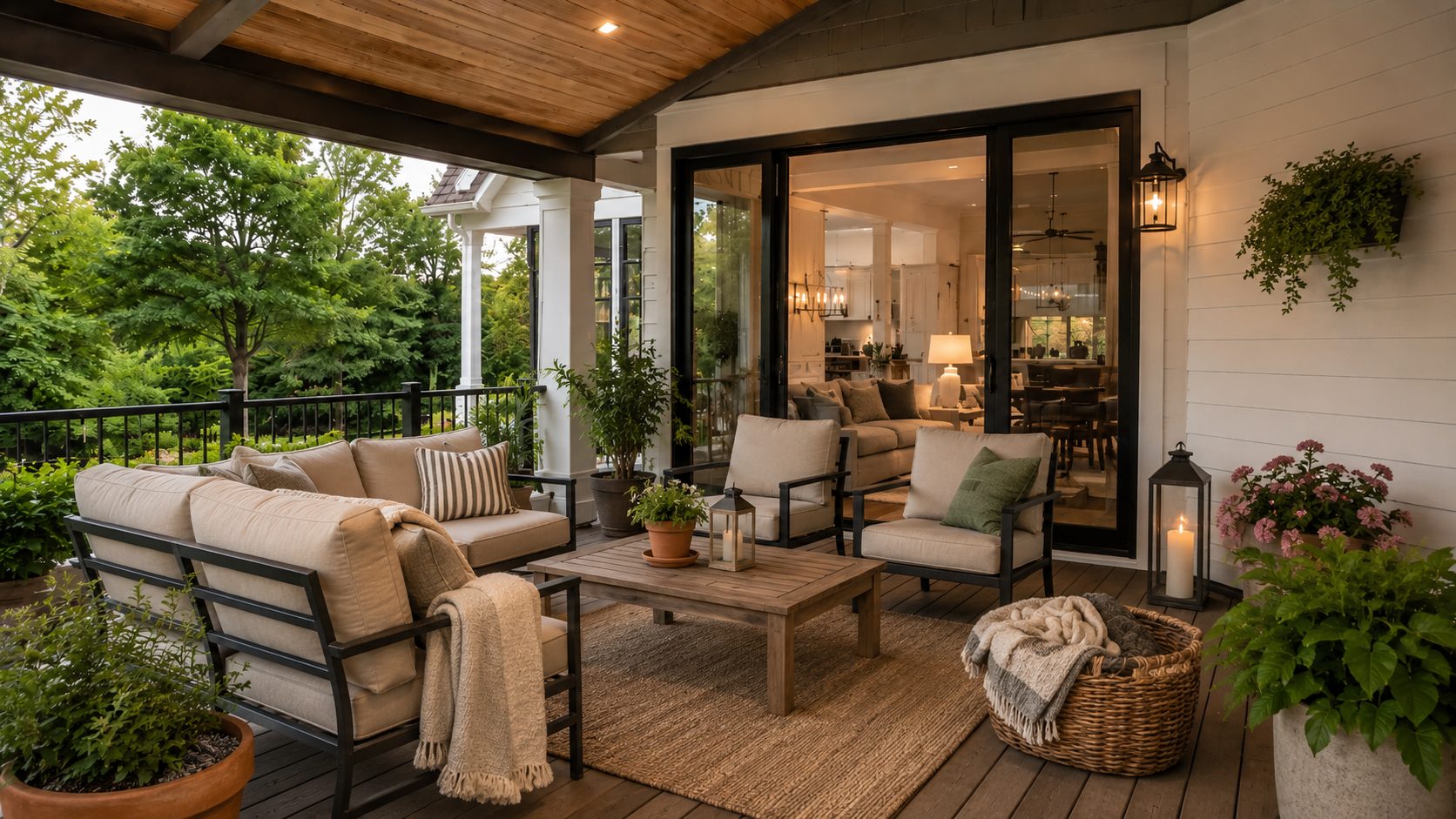
- A dining zone for meals, grilling, or morning coffee
- A conversation zone with two to four chairs grouped together
- A quiet zone for reading, relaxing, or watching the yard
- A utility zone for grill tools, cushions, watering cans, or garden supplies
These zones do not need walls. A rug, planter, chair arrangement, or small table can be enough to give each area a purpose.
This matters especially for homeowners in Lincoln, NE, where backyards and patios often serve many roles across the seasons. One week the space is for grilling. The next, it is for graduation parties, quiet mornings, or watching the sunset after a long day.
When buyers walk through a home, they are not just counting square footage. They are imagining how they would live there. A clearly defined outdoor space helps them see that more easily.
Add Shade Before You Add More Stuff
If an outdoor space is uncomfortable in the afternoon sun, people usually stop using it.
Before buying more decor, think about shade. In Nebraska, summer sun can make a west-facing patio feel beautiful in the morning and almost unusable by late afternoon. A shade plan can make the difference between a space that looks nice and a space people actually use.
A few options to consider:
- A large patio umbrella for flexible shade
- A pergola for structure and partial coverage
- Outdoor curtains or shades for a covered porch
- Strategically placed trees for long-term comfort
- A shade sail for a more modern, budget-conscious option
For local guidance, Nebraska Extension notes that trees planted on the south or west side of a home usually provide the greatest summer shade. That does not mean every yard needs a new tree immediately, but it is a helpful reminder that shade planning is both a comfort decision and a long-term homeownership decision. You can read more from Nebraska Extension here: Creating Shade — Nebraska Extension in Lancaster County.
If you are thinking about trees, Lincoln’s Community Forestry resources are also worth reviewing, especially before planting near streets, sidewalks, or utilities: City of Lincoln Community Forestry.
Use Texture to Soften the Space
Outdoor areas can feel a little hard at first — concrete, wood, siding, metal railings, and open air. That is why texture matters.
A few small touches can make an outdoor space feel more finished:
- An outdoor rug under a seating area
- Planters in different heights
- Cushions in weather-friendly fabrics
- A small side table between chairs
- Lanterns or string lights for evening warmth
- Potted herbs near the grill or dining table
Lighting is especially important. It does not need to be dramatic. In fact, softer is usually better. A few warm lights can make a deck or porch feel usable after dinner without turning the backyard into a stage.
Planters can do the same thing during the day. They add shape, color, and softness. For homeowners who do not want a lot of maintenance, choose fewer, larger planters instead of many small ones. They usually look more intentional and are easier to water consistently.
Keep It Simple Enough to Maintain
The best outdoor spaces are the ones people can actually keep up with.
That is easy to forget when scrolling through beautiful patio photos online. Some spaces look wonderful for one weekend but require constant cleaning, covering, watering, rearranging, or storing.
Before adding anything new, ask:
- Will I use this often?
- Will it survive Nebraska weather?
- Is it easy to clean?
- Does it need to be stored in winter?
- Does it make the space feel calmer or more cluttered?
A simple setup often works best: comfortable seating, shade, lighting, a place to set a drink, and a few plants. That may be all you need.
This is also important from a resale perspective. According to the National Association of REALTORS® Remodeling Impact Report: Outdoor Features, outdoor project value can vary based on design, materials, location, condition, and buyer preferences. In other words, the goal is not always to do the biggest project. The goal is to make thoughtful improvements that fit the home, the neighborhood, and the way people actually live.
Why Outdoor Living Matters to Today’s Buyers
Outdoor living has become part of how many buyers evaluate a home.
A patio, deck, porch, or shaded seating area can help a property feel more complete. It gives buyers another place to imagine themselves — drinking coffee, hosting family, reading in the evening, or letting the day slow down a little.
The National Association of Home Builders has also reported that outdoor features such as exterior lighting, patios, front porches, rear porches, and decks are among the outdoor features many buyers want. You can review NAHB’s buyer preference research here: What Home Buyers Really Want — NAHB.
For sellers, this does not mean every home needs a major backyard renovation. In many cases, the better question is:
Can buyers understand how this outdoor space is meant to be used?
If the answer is yes, the space feels more valuable.
If the answer is no, a few small changes may help.
A Simple Outdoor Room Formula
If you want a practical place to begin, try this simple formula:
Purpose + Comfort + Softness + Light
1. Purpose
Decide what the space is mainly for: eating, relaxing, gathering, grilling, gardening, or quiet.
2. Comfort
Add shade, seating, and a place to set things down.
3. Softness
Use rugs, cushions, planters, or natural textures to make the space feel less bare.
4. Light
Add warm, simple lighting so the space still feels inviting in the evening.
That is enough for most homes.
You do not need to make the backyard perfect. You just need to make it understandable, usable, and welcoming.
Staying, Selling, or Somewhere in Between
One of the things I like about outdoor updates is that they serve more than one season of life.
If you are staying, a better outdoor space gives you more room to enjoy the home you already own.
If you are thinking about selling later, it can help your home feel more complete and cared for.
And if you are somewhere in between — not ready to move, but wondering what updates make sense — it can be a gentle place to start.
In Lincoln, especially in neighborhoods where buyers value comfort, lifestyle, and thoughtful presentation, outdoor spaces can make a memorable difference. They do not have to be fancy. They just have to feel like part of the home.
If you are curious how buyers might experience your patio, deck, porch, or backyard, I’m happy to walk through it with you and help you think about what is worth doing — and what may not be necessary.
Kathy Ley, REALTOR®
Coldwell Banker NHS Real Estate
Lincoln, Nebraska
Your Style – Your Story – Your Home
Learn more about Kathy Ley with Coldwell Banker NHS Real Estate here: Kathy Ley — Coldwell Banker
When Life Changes Before the Market Does | Lincoln NE Real Estate Guidance
When Life Changes Before the Market Does
By Kathy Ley, REALTOR® with Coldwell Banker NHS Real Estate in Lincoln, Nebraska
There is a certain kind of waiting I hear about often.
It usually starts quietly. Maybe over coffee at the kitchen table. Maybe while walking past a room that used to be full of backpacks, shoes, sports bags, and noise, but now feels a little too still. Maybe while looking at a staircase that never used to bother you, or a backyard that once felt like a joy but now feels like one more thing to keep up with.
You may be telling yourself you are going to wait to move.
Maybe you are waiting for mortgage rates to come down. Maybe you are hoping prices will soften. Maybe you simply want the market to feel easier than it does right now.
And honestly, that makes sense.
A move is not a small decision. Especially here in Lincoln, Nebraska, where homes often hold years of routines, family dinners, landscaping projects, holiday mornings, and quiet ordinary days that somehow become the memories we hold onto most.
But here is the part I keep coming back to.
Waiting does not usually fix the thing that made you start thinking about moving in the first place.
Your family may still need more room. Your empty nest may still feel too quiet. Your parents or grandparents may still need you closer. A new marriage, divorce, career change, retirement plan, or estate situation may still be shaping the next chapter.
Eventually, life can reach a point where waiting feels harder than moving.
That is why some people are still choosing to buy and sell in today’s Lincoln real estate market. Not because conditions are perfect. They rarely are. But because the life change behind the move has not gone away.
The Real Reasons People Move
When people talk about the housing market, the conversation often starts with rates, prices, inventory, and headlines. Those things matter, and they absolutely deserve attention.
If mortgage rates are part of your decision, it can help to follow the current weekly mortgage rate averages from Freddie Mac. And if you want a broader view of buyer and seller trends, the National Association of Realtors Profile of Home Buyers and Sellers is a helpful source for understanding why people move and how they make decisions.
But most moves begin somewhere more personal.
A house that once worked beautifully may slowly become too much to maintain. A couple may want one-level living before they absolutely need it. A family may need a better layout for teenagers, aging parents, or working from home. Someone may be starting over after a life transition and need a place that feels peaceful, manageable, and truly their own.
In Lincoln, I see this often.
Especially in established neighborhoods throughout Lincoln, where people have cared for their homes for years. The trees have matured. The landscaping has filled in. The neighbors wave. The rooms are familiar.
And still, there comes a moment when the house no longer fits the life being lived inside it.
That does not mean you have to rush.
But it may mean the better question is not only, “What is the market doing?”
It may also be, “Can I keep living this way and feel good about it?”
That second question is often the one that brings clarity.
What This Looks Like in Lincoln Right Now
The Lincoln market is not one-size-fits-all.
Some price ranges still feel tight. Some homes move quickly when they are priced and prepared well. Others sit longer when buyers sense a gap between condition, price, and value.
For a broader view, you can look at Lincoln, NE housing market trends. If you live in or are considering Lincoln, it may also help to review housing market data, because ZIP-level patterns can feel different from the citywide picture.
That local layer matters.
In Southeast Lincoln neighborhoods, buyers tend to be thoughtful. They notice layout, natural light, updates, storage, condition, and overall ease of living. They are not always chasing the cheapest home. Often, they are looking for the home that feels like it will support the next chapter well.
That matters for sellers, too.
If you are considering a move, preparation may matter more than perfect timing. A home that is clean, well-positioned, and easy for buyers to understand can still stand out. But guessing at value, waiting too long to prepare, or assuming buyers will overlook certain things can make the process harder than it needs to be.
If you are quietly wondering where your home stands today, you can start here: see what your Lincoln home may be worth.
It is not a replacement for a thoughtful pricing conversation, but it can be a helpful first step.
More Choice Can Create More Clarity
For buyers, today’s market may feel frustrating at first glance. Rates are still part of the equation. Monthly payments matter. Timing matters. The sell-first-or-buy-first question can feel heavy.
But there can also be opportunity in a market that is no longer moving at the same pace it did a few years ago.
In certain pockets of Lincoln, buyers may have a little more room to think, compare, ask questions, and choose carefully. That does not mean every home is negotiable, and it does not mean the right home will wait around forever. But it does mean some buyers are able to make decisions with more context than they had during the most competitive seasons.
If you are thinking about your next home, you can search homes for sale in Lincoln, NE to get a feel for what is available, where pricing sits, and how different neighborhoods compare.
And if lifestyle is part of your decision, it is worth looking beyond the walls of the house.
Lincoln has a way of making daily life feel full without feeling overwhelming. Parks, trails, local restaurants, music, community events, and familiar seasonal rhythms all shape how a neighborhood feels once you live there. The City of Lincoln Parks and Recreation and Visit Lincoln visitor guide are both helpful places to explore the lifestyle side of the decision.
Because a move is never only about the house.
It is about how the next season of life will feel.
Sometimes Clarity Comes Before Readiness
One of the biggest misconceptions I hear is that you should only talk with a real estate agent when you are ready to move.
I actually think the opposite is true.
The best conversations often happen before there is pressure. Before the sign goes in the yard. Before the boxes come out. Before emotions and deadlines make every decision feel heavier.
That is especially true for downsizing, move-up buying, divorce, probate, retirement planning, and long-time homeowners who are trying to decide whether to stay, renovate, right-size, or make a clean move into something different.
You do not need to decide everything today.
Sometimes the first step is simply understanding your options:
What might your home realistically be worth?
What would need to be done before listing?
What would your next home likely cost?
Would it make more sense to buy first or sell first?
What timeline would reduce the most stress?
What would make staying easier?
What would make moving feel worthwhile?
Those are not pressure questions.
They are planning questions.
And planning has a way of making the unknown feel less overwhelming.
If you want to hear how other clients have experienced that process, you can read what Kathy’s clients have shared.
What I Would Tell a Lincoln Homeowner Right Now
If your home still works for your life, there may be no reason to force a move.
That is the honest answer.
But if you keep circling the same questions, if the house feels heavier than it used to, if your next chapter is starting to take shape in small but persistent ways, it may be worth getting clear before you feel rushed.
A calm plan can help you understand what is possible.
Not just in theory. Not just from headlines. But based on your home, your equity, your timing, your neighborhood, and the kind of life you want to build next.
That might mean preparing now and moving later.
It might mean staying and making a few smart improvements.
It might mean right-sizing sooner than you expected.
It might mean waiting, but waiting with a plan instead of uncertainty.
All of those can be good answers when they are chosen with clarity.
Bottom Line
Life changes. Priorities shift. Families grow. Kids move out. Parents need care. Careers evolve. Retirement starts to look more real. And sometimes, the home that once fit beautifully begins to feel like it belongs to a different season.
The market matters. Rates matter. Prices matter.
But your life matters, too.
If your current home no longer supports the way you want to live, it may be worth having a calm conversation about what your options look like in today’s Lincoln market.
Not because you have to move right away.
Not because there is one perfect answer.
But because clarity has a way of making the next step feel lighter.
If you are ready to talk through your options, you can schedule a calm conversation with Kathy Ley, REALTOR® with Coldwell Banker NHS Real Estate.
No pressure. Just clarity.
Stay, Improve, or Move? The Spring Question Most People Are Asking
There’s something about spring that brings these questions to the surface.
Maybe it starts with a window cracked open after a long Nebraska winter. Maybe it shows up while clearing out a closet, walking through the yard, or noticing, again, that a room just doesn’t work the way it used to. Sometimes it arrives in a practical way. Sometimes it feels more personal than that.
But this time of year, I hear a version of the same question again and again:
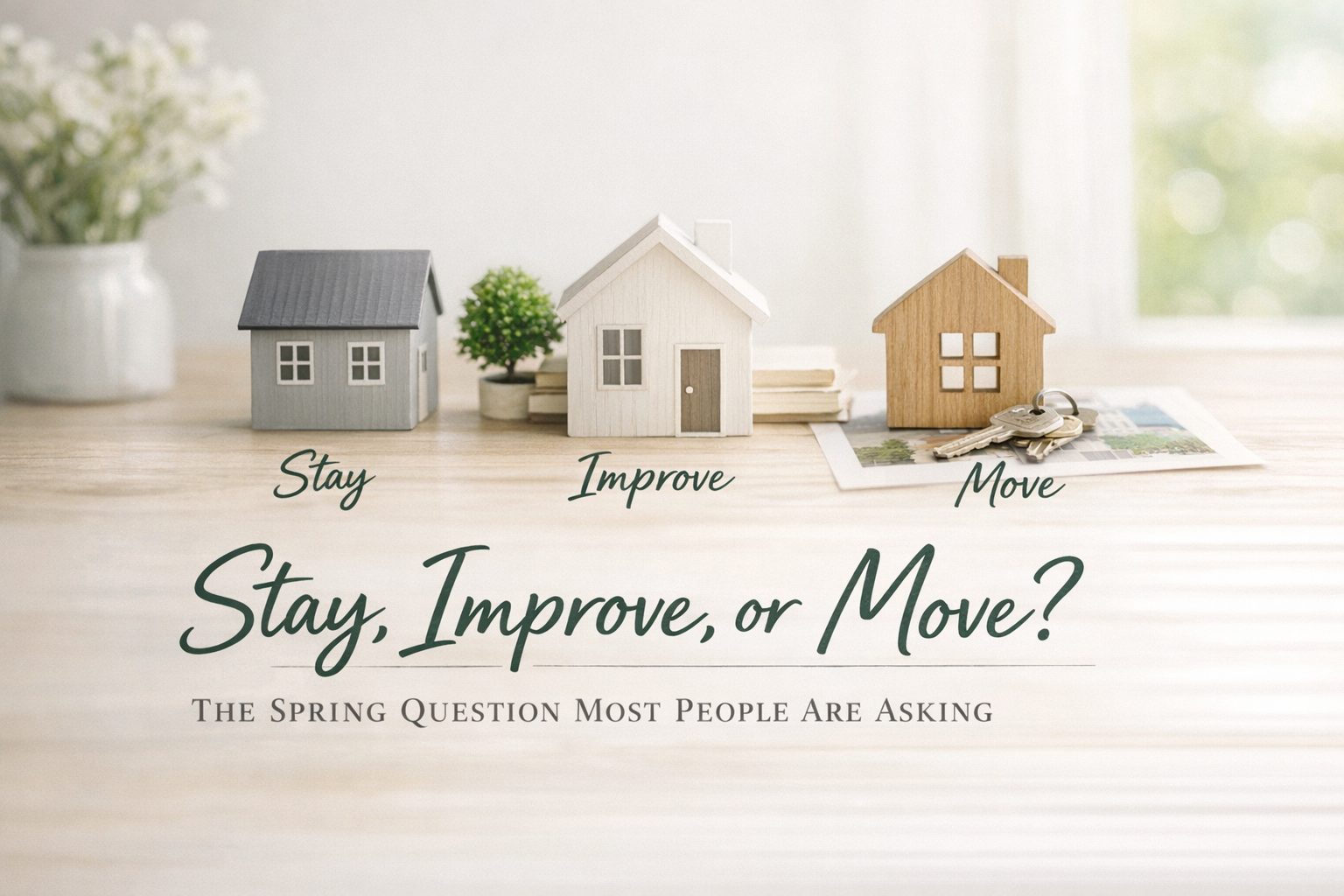
Should we stay, improve, or move?
Not everyone asking it is ready to sell. In fact, most aren’t. Most are simply trying to make sense of what would actually feel best next — not just financially, but practically, emotionally, and day-to-day.
And honestly, that makes sense.
Because this decision is rarely just about real estate. It’s about how life feels in your home right now, and whether that still fits where you’re headed.
The question behind the question
When people say they’re wondering whether to move, they’re often asking something deeper.
They may be asking:
- Will this home still work for us in the next few years?
- Are we putting money into the right improvements, or just delaying a bigger decision?
- Would moving actually simplify life — or just create a different kind of stress?
- If we stay, can this home become what we need it to be?
- If we go, what would we really be moving toward?
That’s why this isn’t always a clean, immediate answer.
Some homes still fit beautifully, but need a few thoughtful changes. Others are good homes that no longer match the rhythm of the people living in them. And sometimes the issue isn’t the house itself. It’s timing, upkeep, layout, location, or simply the quiet realization that life has changed.
Sometimes staying is the right move
There are seasons when staying makes the most sense.
Sometimes the smartest decision is not to uproot everything, but to improve what you already have. That might mean rethinking a main-floor space, updating a bathroom, improving storage, changing how a room functions, or making the home easier to manage and enjoy.
For some homeowners, staying means protecting a low-stress routine they already love. For others, it means avoiding a move they don’t actually need to make.
And sometimes staying is not “settling.” It’s choosing clarity over momentum. It’s realizing that what you need may be a better plan, not a different address.
Sometimes improving is really a bridge decision
This is where many people get stuck.
They’re not ready to move today, but they know the house needs attention. The challenge is deciding whether those improvements are part of a long-term stay, or just a short-term patch on a home that no longer fits.
That distinction matters.
A thoughtful improvement can make staying easier and more enjoyable. But not every project is worth the time, cost, and energy if a move is already quietly on the horizon.
The goal is not to do everything. It’s to understand which changes truly support your next chapter — and which ones simply buy time.
Sometimes moving is less about space and more about fit
People often assume a move is about wanting more house, less house, newer finishes, more land, fewer stairs, or a different neighborhood.
Sometimes it is.
But often, moving is really about wanting life to feel more manageable, more aligned, or more intentional.
For one person, that means less maintenance. For another, it means more room to gather. For someone else, it means better function, better flow, or a home that reflects the way they live now — not the way they lived ten years ago.
The clearest moves usually aren’t driven by pressure. They come from recognizing that the current setup is asking for too much compromise.
Spring has a way of making the mismatch easier to see
There’s a reason these questions show up now.
Spring naturally invites people to take stock. You notice the deferred projects. You notice what feels crowded, underused, or harder than it should be. You notice what you’ve outgrown — and sometimes what you still deeply love.
It’s also the season when people are surrounded by noise. Advice from friends. Headlines about the market. Builder promotions. Renovation inspiration. Conversations that make everything feel more urgent than it needs to be.
But most people do not need more pressure.
They need a way to sort through the options calmly.
You do not have to decide all at once
This is one of the biggest misconceptions I see.
People often think that once they start asking whether they should move, they need to be ready with a full answer. They think exploring the question means committing to action.
It doesn’t.
You’re allowed to think before you decide.
You’re allowed to gather information before you make a move.
You’re allowed to look at the numbers, the lifestyle implications, the improvement costs, and the emotional side of the decision without forcing yourself into a timeline.
Sometimes one honest conversation removes months of mental clutter.
A simple way to think about it
If you’ve been circling this question, here are a few good places to start:
Stay if the home still fits your life with only minor changes, and the thought of moving feels more disruptive than helpful.
Improve if the right updates would meaningfully change how the home functions, and you can clearly see yourself benefiting from those changes for years to come.
Move if the home no longer supports the way you want to live, and the effort to keep making it work is starting to outweigh the comfort of staying.
The answer is not always obvious right away. But it usually becomes clearer when you stop treating the decision like a test and start treating it like a planning process.
A resource to help you sort through it
Because this question comes up so often, I put together a Stay or Go Guide for homeowners who want to think through their options without pressure.
It’s designed to help you look at the decision from a few different angles — lifestyle, timing, practicality, and what each path would actually mean day to day.
It’s not about pushing you toward staying or moving.
It’s about helping you get clearer on what fits.
If you’d like a copy of the Stay or Go Guide, click the link to download now.
Sometimes the next best step is not making a decision.
Sometimes it’s simply seeing your options more clearly. Call me to discuss your options.
Questions to Ask Before You Sign a New Construction Contract
There’s something exciting about new construction.
Maybe it’s the clean lines. Maybe it’s the untouched surfaces. Maybe it’s the idea of being the first person to live there. For many buyers, a new home feels like a fresh start. It can also feel simpler than buying resale.
But simple and straightforward are not always the same thing.
Before you sign a new construction contract, it helps to slow down and ask better questions. Not dramatic questions. Not fear-based questions. Just thoughtful ones that help you understand the cost, the timeline, and the fine print before you commit.
That matters even more when the move is about lifestyle, timing, and long-term fit, not just a change of address.
1. What does the base price actually include?
Start here.
A builder’s advertised price often gives you a starting number, not the final one. The model home may include upgraded cabinets, countertops, flooring, lighting, trim, and appliances that are not part of the base package.
Ask for a written list that shows what comes standard and what costs extra.
Look carefully at:
- flooring
- cabinetry
- countertops
- appliances
- plumbing fixtures
- lighting
- paint
- exterior materials
- lot cost
This question is not about being skeptical. It is about understanding the real price before the house starts to feel emotionally like yours.
2. How much will upgrades and lot premiums add?
This is where many buyers feel the budget shift.
The lot itself may cost more because of the view, a cul-de-sac location, green space, trees, or a walkout option. After that, design center choices can add up fast.
It helps to ask:
- Which lots have premiums?
- How are upgrades priced?
- When do you lock in those costs?
- Can upgrade pricing change during construction?
Small decisions can create a big difference in the final number. Knowing that early helps you choose more carefully.
3. What is not included that buyers often assume is?
This is one of the most useful questions you can ask.
Many buyers assume a new home comes fully finished. Then they move in and realize they still need window coverings, landscaping, fencing, appliances, a deck, a sprinkler system, or garage door openers.
A brand-new house can still come with a long post-closing list.
Try asking the builder this:
What do buyers usually realize they still need after closing?
That single question often reveals more than a polished brochure ever will.
4. What happens if materials, pricing, or timing change?
Now you are getting into the contract itself.
New construction contracts are very different from resale contracts. In most cases, the builder writes the contract. That means the terms may protect the builder more than the buyer.
That does not automatically make the contract bad. It does mean you need to read it carefully.
Ask questions like:
- Can the builder raise the price?
- What happens if material costs go up?
- What if selected finishes become unavailable?
- Can the builder make substitutions without approval?
- What happens if construction takes longer than expected?
- What happens if the closing date gets delayed?
You are not creating problems by asking. You are preventing surprises.
5. How much is the deposit, and is it refundable?
Deposits matter in new construction.
Some builders require a substantial upfront deposit. Others ask for additional funds at certain stages. Before you sign, make sure you know when money is due and whether any part of it is refundable.
Ask:
- How much is due upfront?
- Are additional deposits required later?
- Under what conditions is any part refundable?
- What happens if financing changes?
- What happens if you decide not to move forward?
Clarity here can save a lot of stress later.
6. Can you use your own lender, inspector, and agent?
Many builders have preferred partners. Sometimes they offer incentives if you use them. That may be a good option. Still, you should understand what choices you have.
Ask:
- Can I use my own lender?
- What incentives come with the preferred lender?
- Can I hire my own inspector?
- Can my agent attend meetings and walk-throughs?
- Will I have more than one walk-through before closing?
The right team helps you ask better questions before those questions become expensive.
7. What warranty comes with the home?
A new home usually comes with a warranty, but the details matter.
Some items may have one-year coverage. Structural items may have longer coverage. Cosmetic issues may be treated differently. The process for repairs may also vary from builder to builder.
Ask:
- What is covered in the first year?
- What has longer-term coverage?
- What counts as cosmetic?
- What counts as structural?
- How do warranty claims work?
- How quickly are repairs usually handled?
A house can feel perfect on day one and still need attention later. It helps to know what support looks like after closing.
8. How firm is the construction timeline?
Timelines can move.
Weather, labor shortages, supply delays, inspections, and approvals can all affect the completion date. That may not sound like a big deal until you remember that your lease, current home sale, moving plans, or rate lock may depend on it.
Ask:
- What is the estimated completion date?
- How often do delays happen?
- How will updates be communicated?
- When does the closing date become more reliable?
For move-up buyers, this question matters even more. You may be coordinating two homes, two timelines, and a long list of moving pieces at once.
9. What happens during the final walk-through?
Do not skip this question.
The final walk-through gives you the chance to see what is finished, what still needs attention, and how the builder handles incomplete items.
Ask:
- When does the final walk-through happen?
- What can still be corrected before closing?
- How are unfinished items documented?
- Is there a punch list?
- Who handles follow-up after closing?
This step is not just a formality. It is part of protecting your peace of mind before you close.
10. How will this home work for your real life?
This may be the most important question of all.
After the selections, meetings, and paperwork, the real issue is not whether the home looked beautiful in the model. The real issue is whether it works for the way you actually live.
Think about questions like these:
- Does the layout fit your daily routine?
- Will these finishes still feel right a few years from now?
- Does the location make life easier?
- Are the upgrades worth the cost?
- Will this still feel like a wise decision if construction takes longer than expected?
Sometimes the better question is not, Can I buy this house?
Sometimes the better question is, Will this home still feel right after the excitement settles?
That is often where the clearest decisions begin.
A thoughtful contract starts with thoughtful questions
Buying new construction can be a wonderful option. It offers a fresh beginning, modern features, and the chance to shape a home around the way you want to live.
Still, a clean new house does not remove the need for careful questions.
The contract is there to be understood, not rushed through.
When buyers ask the right questions early, they usually feel calmer later. They feel more prepared. They feel more confident about what they are signing and why.
If you are thinking about buying new construction in Lincoln, it can help to have a calm second set of eyes before you sign. Sometimes one thoughtful conversation makes the whole process feel much clearer. Give me a call to review local builders and all of your new construction questions.
Should You Stay or Sell in South Lincoln? A Thoughtful Guide for 68516 Homeowners

There is a certain kind of real estate question that shows up quietly.
Not in a dramatic way. Not always after a major event. Sometimes it appears in the middle of ordinary life — after another weekend of home projects, after one more conversation about storage or stairs or unused rooms, after noticing that the house you once grew into may not fit in quite the same way anymore.
For many homeowners in Wilderness Hills, Edenton North, Edenton South, Southern Hills, Williamsburg, Pine Lake, and nearby south Lincoln neighborhoods, the question is not always, Are we moving right now?
It is more often this:
Does this home still make sense for the life we are living now?
That is a more thoughtful question, and usually a more useful one.
In this part of Lincoln, people tend to think carefully before they make a move. These are neighborhoods where lifestyle matters, where people have often invested significantly in their homes, and where decisions tend to be made with intention. The process is rarely about panic. It is more often about alignment — between your home, your equity, your routines, and whatever season of life is beginning to take shape.
For some homeowners, staying is the right answer.
That does not mean settling. It does not mean ignoring the question. Sometimes staying is the most strategic choice available. Maybe your location still fits beautifully. Maybe your mortgage position is strong. Maybe a few smart updates would make the home work much better for the next few years. Staying can be a decision made from clarity just as much as moving can.
For others, the conversation starts to shift toward right-sizing.
That can mean less upkeep, fewer rooms to manage, a more accessible layout, or simply a home that feels easier to live in. Often, right-sizing is not about giving something up. It is about making space for a different kind of ease. Still, it is rarely just a financial decision. A home holds history. Patterns. Family life. Even when the next move makes sense on paper, it can still feel emotional in practice.
Then there are homeowners considering a move up.
That path often comes with excitement, but also complexity. Selling one home while preparing for another means thinking through timing, budget, presentation, and what kind of move would truly improve day-to-day life. In south Lincoln neighborhoods where buyers are thoughtful and expectations tend to be high, preparation matters. The strongest outcomes usually begin long before the sign goes in the yard.
And then there is waiting.
Waiting sometimes gets framed as indecision, but that is not always fair. Waiting can be wise — especially when it is intentional. Maybe you want another year to prepare. Maybe you are watching for a better moment in family life. Maybe you are not ready to make a move, but you do want to understand what your options are now so the future feels less uncertain. Waiting works best when it has structure behind it.
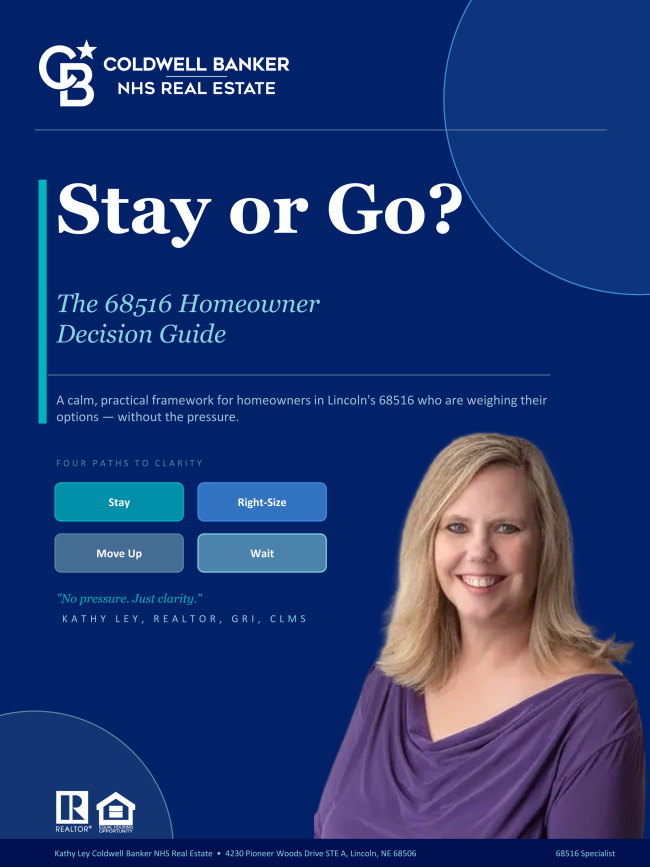
That is one reason I created my Stay or Go? Decision Guide.
It is designed for homeowners in south and southeast Lincoln neighborhoods who are not looking for pressure, but for perspective. It walks through four honest paths — stay, right-size, move up, or wait — so you can think through your options with a little more calm and a little more clarity.
Because the truth is, not every homeowner needs to move.
But almost every thoughtful homeowner benefits from understanding what their choices really are.
If that question has been sitting quietly in the background for you, this is a good place to begin:
Download the free Stay or Go? Guide here:
https://lp.constantcontactpages.com/cu/fQr66D1/stayorgo
No pressure. Just a clearer next step.
The Preserve Lincoln NE: Luxury Homes & Lifestyle
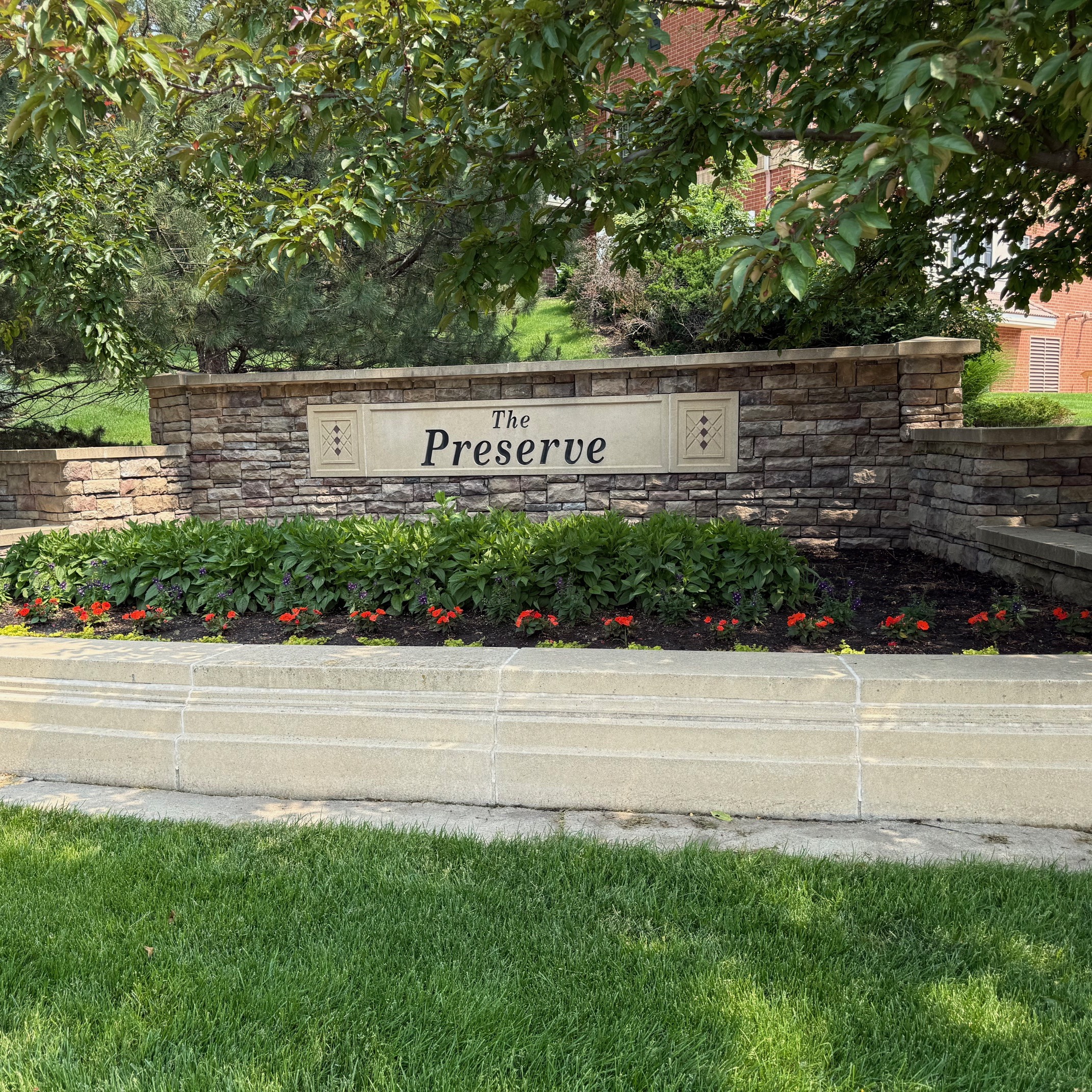
Are you searching for the perfect blend of upscale living and convenience in Lincoln, Nebraska? Look no further than The Preserve neighborhood. This highly sought-after community offers an exceptional lifestyle. The Preserve is perfectly situated to provide residents with easy access to some of Lincoln’s most cherished amenities. If you’re exploring homes for sale in Lincoln NE, The Preserve should be at the top of your list.
Embrace Nature & Recreation
One of The Preserve’s most compelling features is its incredible proximity to Lincoln’s extensive bike trail system. Imagine stepping out your door and immediately accessing miles of scenic, paved pathways perfect for a leisurely ride, an invigorating run, or a refreshing stroll. This direct access to outdoor activity is a major draw for those looking for Lincoln NE homes near bike trails.
For those who love to hit the links, The Preserve is a true golfer’s paradise. You’ll find yourself just a short drive from premier golfing opportunities, allowing you to easily fit a round into your schedule. Whether you’re a seasoned pro or just enjoy a casual game, the convenience of nearby courses makes The Preserve an ideal location.
A true jewel in The Preserve’s crown is its access to Holmes Lake Park. This expansive urban oasis is a beloved Lincoln landmark, offering a wealth of activities for all ages. Enjoy walks along the lake, try your hand at fishing, launch a kayak, or simply relax and take in the natural beauty. The park also features playgrounds and open spaces for picnics, making it a popular spot for community gatherings. Living in The Preserve means Holmes Lake Park is easily accessible, providing endless opportunities for recreation and relaxation.
Indulge in Fine Dining & Local Charm
When it comes to satisfying your culinary cravings, The Preserve’s location truly shines. You’ll find yourself just a short drive from some of Lincoln NE’s top restaurants like Venue Restaurant & Lounge, Carmela’s Bistro and Wine Bar, and Mo Mo Pizzeria and Ristorante. Whether you’re in the mood for an intimate evening, a celebratory meal, or simply a sophisticated culinary experience, the options are diverse and delectable. From innovative American cuisine to international flavors, the area surrounding The Preserve offers a sophisticated palate of choices for those seeking dining in Lincoln NE.
Why Choose The Preserve?
In essence, The Preserve neighborhood isn’t just a place to live; it’s a lifestyle. It’s where you can enjoy the peace of a well-established community while having immediate access to outdoor adventures, recreational pursuits, and exceptional dining. If you’re considering a move to Lincoln, be sure to explore the unique charm and undeniable advantages of The Preserve.
Ready to find your dream home in The Preserve? Visit my website at https://kathyley.sites.cbmoxi.com/ to browse current listings and learn more about this incredible Lincoln neighborhood.
Meet Kathy Ley: Your Trusted Partner in Finding Your Perfect Home in Lincoln, Nebraska

Welcome to my blog! Whether you’re buying your first home, upgrading to something larger, or looking for a cozy nest for retirement or investment, I’m here to guide you through every step of the process. As a real estate professional with deep roots in Lincoln, Nebraska, I understand what makes this community so special, and I’m passionate about helping people like you find a home that fits your needs, lifestyle, and budget.
About Me
I’m Kathy Ley, REALTOR and lifelong resident of Lincoln, Nebraska. With a degree in Business Administration from the University of Nebraska, I’ve built a strong background in real estate and construction. Early in my career, I co-founded K and M Painting Corporation with my husband, which gave me a deep appreciation for quality craftsmanship. As a realtor with Coldwell Banker NHS Real Estate, I use the latest technology to make buying and selling smooth and straightforward for my clients. My goal is simple: to help you find a home that fits your lifestyle and budget.
How I Help My Clients
I work with all types of buyers and sellers. Some clients are buying their first home, while others are seasoned investors. No matter the background, my clients want stability, quality, and to make smart choices. Whether you’re early in your career, growing your family, or investing, I’m here to simplify the process for you.
Here’s how I work with my clients:
- Guide you step by step to make the process clear.
- Help you find a home in a neighborhood that fits your needs.
- Offer insights into Lincoln’s market to help you find lasting value.
Why Lincoln?
As someone who grew up in Lincoln, I know what makes each neighborhood special. Lincoln blends Midwestern charm with modern amenities. There are parks, trails, dining spots, and a vibrant cultural scene. I can help you find a community that feels like home, whether you prefer a busy area or a quiet neighborhood.
Ready to Start?
Whether it’s your first home, an upgrade, or an investment, I’m here to help make it happen. Contact me today, and let’s find the home that’s right for you.